How to · Quality
Garment QC and AQL inspection: an importer’s guide
How garment quality control and AQL inspection actually work — defect classes, inspection stages, a copy-and-use QC checklist, and how to inspect an order before it ships.
Quality is where a sourcing relationship is won or lost. The good news: garment quality control is a mature, standardised discipline, and a few disciplined steps let you verify an order before it ever leaves the factory. Here’s what importers should know.
What does AQL mean in garment inspection?
AQL (Acceptable Quality Limit) is the industry framework for judging a batch by inspecting a random sample. Defects are sorted into critical (safety, never acceptable), major (would cause a return) and minor (small flaws). Buyer and factory agree an AQL level per class before production, commonly around 2.5 for major and 4.0 for minor defects on general apparel.
Agreeing this up front means both sides judge the goods by the same yardstick.
What are the stages of garment inspection?
There are three. Pre-production inspection confirms fabric, trims and the approved sample before cutting; in-line inspection during production (DUPRO) catches issues while they’re still fixable; and the final random inspection, before shipment, checks finished, packed goods against the agreed AQL. Each stage checks the order at a different point:
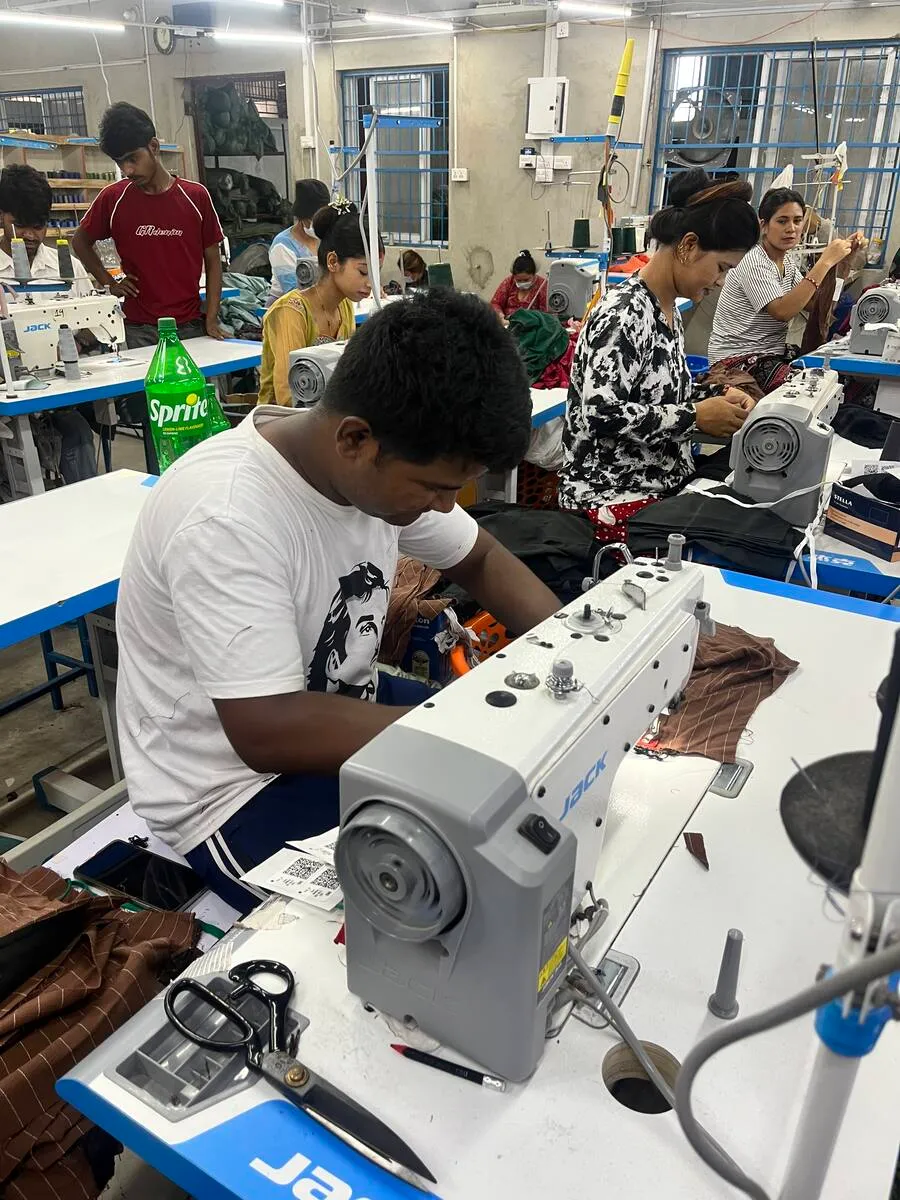
- Pre-production — confirm fabric, trims, and the approved sample before cutting.
- In-line / during production (DUPRO) — catch issues early, while they’re still fixable.
- Final random inspection (pre-shipment) — inspect finished, packed goods against the AQL.
What should a garment QC checklist cover?
Five areas: measurements against the spec sheet, within agreed tolerance; workmanship, such as stitching and seams; fabric, including GSM and colour; labelling for fibre content, care and origin; and packing, from folding and poly bags to barcodes and carton counts. Here is a checklist you can copy and use:
- Measurements against the spec sheet, within agreed tolerance.
- Workmanship — stitching, seams, no skipped stitches, clean trims.
- Fabric — correct GSM, colour, and no visible defects.
- Labelling — fibre content, care, and origin labels correct and secure.
- Packing — folding, poly bags, barcodes, and carton counts as specified.
How do you inspect an order from a factory in Nepal?
You have two layers of protection. The factory should run its own in-line and final inspection, and we do. You can also appoint an independent third-party inspector (SGS, Intertek, QIMA and others operate in the region) to check the goods before you release the balance payment.
We welcome buyer-appointed inspection and an open-door visit — a factory confident in its work has no reason to avoid the scrutiny.
Tie your final payment to a passed inspection and you’ve removed most of the quality risk from a first order. See our compliance and transparency posture, or tell us your quality requirements.
Frequently asked
What does AQL 2.5 mean?
What is the difference between AQL 2.5 and AQL 4.0?
How many pieces are inspected in an AQL check?
About the author
Santosh Rijal runs Trishakti Apparel, the export knitwear factory his family built on three decades in Nepal’s fashion trade. He writes about sourcing, duty and production from the factory floor in Gaindakot.
LinkedIn ↗