Uniform programmes
Uniform programmes for companies, schools and clubs
Staff polos, school sweatshirts, club T-shirts: uniform garments are bought again and again, and every reorder has to match the last one. We cut and sew them in Gaindakot, Nepal, to your spec, from 200 pieces per style and colour (1,000 pieces per order), and make each repeat order to the sample and colour standard you approved.
- Minimum order
- 200
- Per style / colour · 1,000 pcs per order
- Sampling
- 7–14
- After tech-pack review
- Bulk lead time
- 25–30
- After sample approval
- Monthly capacity
- 40–50k
- Knit basics · confirmed per programme
01Who it’s for
Uniform buyers we make for
- Companies: staff polos and T-shirts for offices, shops, warehouses and field teams.
- Schools and uniform suppliers: polos, sweatshirts and PE T-shirts in the school’s colours.
- Clubs and associations: club polos, training T-shirts and hoodies.
- Hotels, restaurants and cafés: front-of-house polos and T-shirts.
- Workwear basics: T-shirts, polos, sweatshirts and knit shorts for teams that wear them every day.
02What we make
The knit garments uniform programmes run on
Polo shirts in piqué, crew-neck T-shirts in single jersey, sweatshirts and hoodies in fleece-back or French terry, and knit shorts, in cotton, CVC or blends to your spec. Knit basics are our core; if your programme needs another garment, send us the spec and we will tell you what we can do.
We source fabric to your spec from established mills, and you choose: our regular mills, OEKO-TEX-certified fabric, or a mill you nominate. We confirm the mill and its country before you order.
03How a programme runs
Sample, approval, bulk, then repeat orders
- Sample. Send your tech pack, a reference garment or your current uniform. We make a pre-production sample in 7–14 days, with lab dips for your colours.
- Approval. You approve the sample and the lab dip in writing. They become the standard we keep on file for your programme.
- Bulk. Fabric is prepared to your approved lab dip, one dye lot per order, then cut, sewn and finished on our floor and dispatched 25–30 days after sample approval. We test fabric and garments in-house, for example shrinkage against your spec, and every order gets a final AQL 2.5 inspection.
- Repeat orders. Reorders skip sampling, because your patterns, lab dips and approved sample are already on file. Each one is made to the approved sample and colour standard.
04Minimums
200 pieces per style and colour, 1,000 per order
The minimum is 200 pieces per style and colour, with 1,000 pieces in total per order, and you can split each colour across the sizes you need, larger sizes included. A programme of five colours in one style, or two styles in three colours, reaches the 1,000-piece total. Our MOQ and colour planner helps you check a size and colour list against the minimum.
05Logos and labels
Your branding, through partner workshops
We sew in your woven neck labels, care labels and size labels. Printing and embroidery of logos and crests are arranged through partner workshops, not in-house; our team coordinates artwork, strike-offs, approvals and the quality check when garments come back to our floor, so you still deal with one supplier.
06Planning a rollout or a school year
Lead times to plan around
Samples take 7–14 days after we review your tech pack, and bulk is dispatched 25–30 days after you approve the sample. Sea freight then adds roughly 6–8 weeks to Europe, the UK or Australia, and roughly 7–10 weeks to the United States; air freight via Kathmandu is faster. To check fabric, stitching and colours first, order the sample kit: US$79 including express courier, credited against your first bulk order.
Uniform garments we make
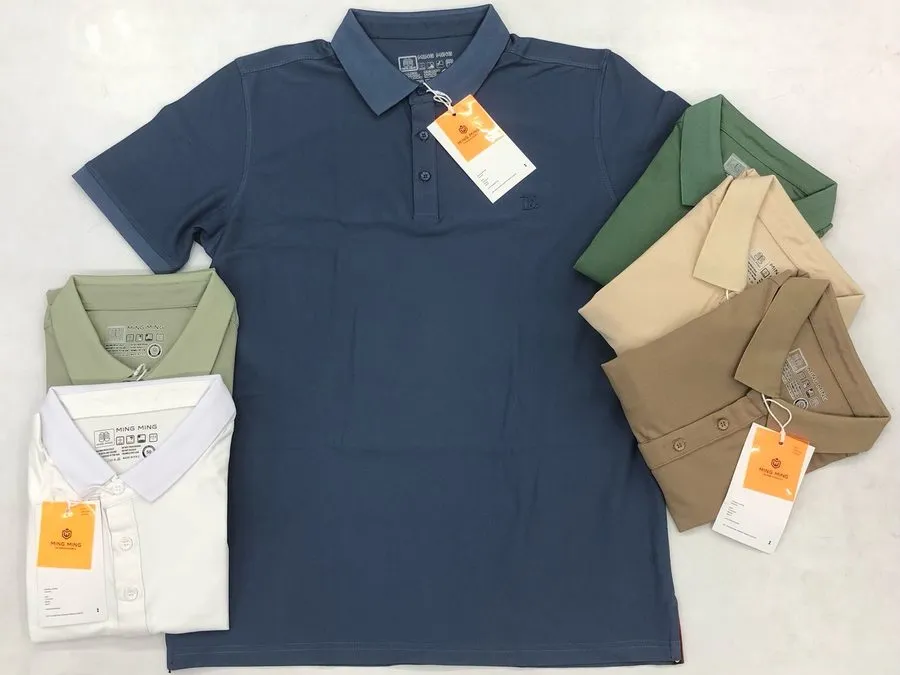 Core knit
 Polo shirts
Classic pique polo with a structured collar and placket — a private-label staple for retail and corporate programmes.
Pique · cotton / CVC|XS–XXL
Specs & trade prices
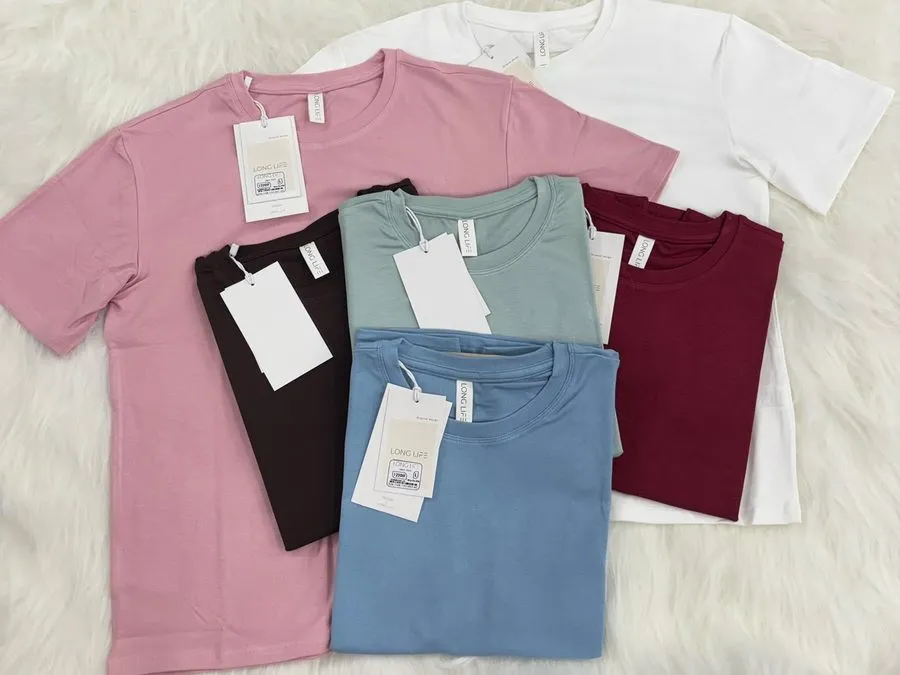 Core knit
 Crew-neck T-shirts
The everyday tee — clean side-seams, consistent necklines and a finish that holds up wash after wash.
Single jersey · cotton / CVC|XS–XXL
Specs & trade prices
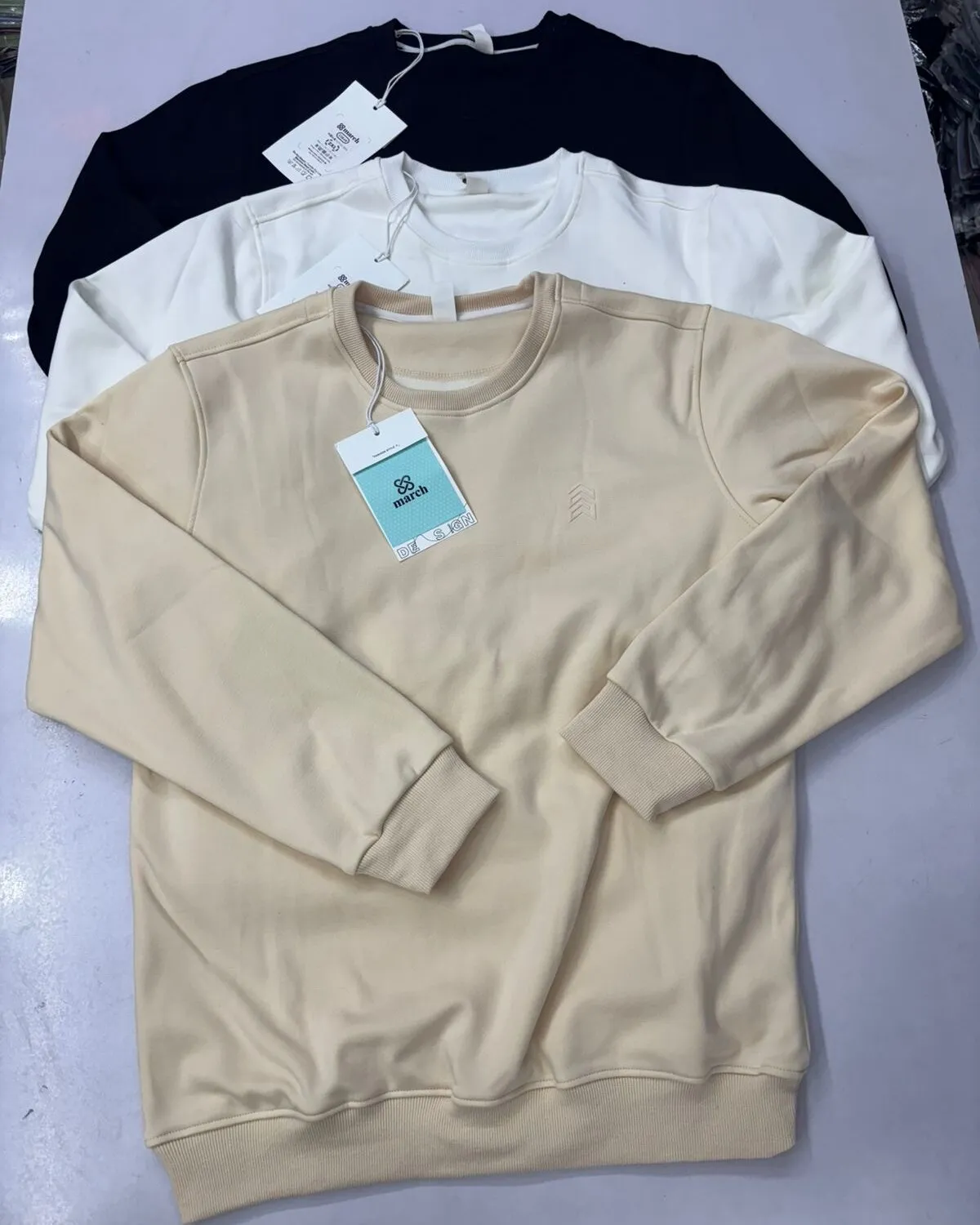 Fleece
 Sweatshirts & hoodies
Fleece-back sweatshirts and hoodies with clean ribbed cuffs and hems — private-label, made to your fits.
Fleece-back / French terry · cotton blends|Men’s · Women’s · Kids
Specs & trade prices
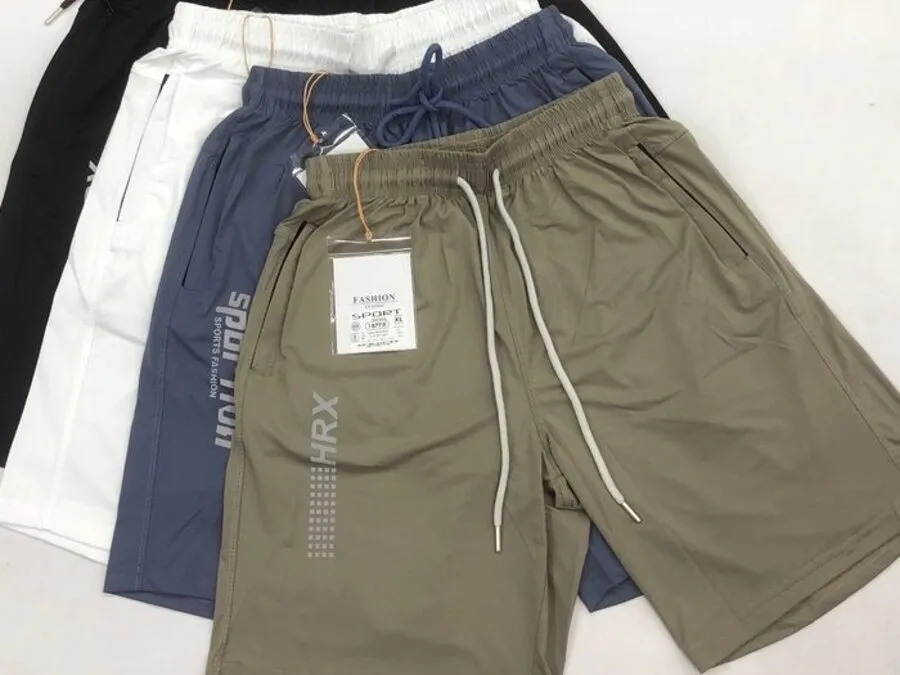 Loungewear
 Knit shorts
Elastic- and drawcord-waist knit shorts in French terry and jersey — for loungewear, athleisure and co-ord sets.
French terry / jersey · cotton blends|XS–XXL · kids
Specs & trade prices
Duty by market
What your uniforms pay at import
Duty depends on where the garments land and on the rule of origin for each style. Each market page has the details, dated and sourced.
- United Kingdom
From Nepal: 0% GOV.UK (source: Update: improved rules of origin under the DCTS are now in effect (1 January 2026), opens in a new tab) GOV.UK (source: How to claim preferences under the Developing Countries Trading Scheme (DCTS) – Form A or origin declaration, opens in a new tab) +1
- European Union
From Nepal: 0% EUR-Lex (source: Commission Delegated Regulation (EU) 2015/2446 – Annex 22-03 (GSP product-specific rules, separate LDC column), opens in a new tab) EUR-Lex (source: Commission Regulation (EU) No 1063/2010 – GSP rules of origin reform applying from 1 January 2011 (single transformation for LDC garments), opens in a new tab) +2
- Australia
From Nepal: 0% if the 50% factory-cost rule is met Australian Border Force (source: Preferential Rules of Origin – guide to claiming preferential rates under non-FTA arrangements (LDC rule, s153NA; 25% cap on non-LDC developing-country materials), opens in a new tab) Australian Border Force (source: Working tariff – Schedule 3, Section XI, Chapter 61, opens in a new tab)
- Canada
From Nepal: 0% Justice Laws Canada (source: General Preferential Tariff, GPT Plus and Least Developed Country Tariff Rules of Origin Regulations (SOR/2023-210), opens in a new tab) CBSA (source: Customs Notice 24-41: Canada’s unilateral tariff preference programs for imports from developing countries, opens in a new tab) +2
- Japan
From Nepal: 0% Japan Customs (source: Simplification of preferential rules of origin under GSP for knitted apparel (HS Chapter 61), from 1 April 2015, opens in a new tab) Japan Customs (source: Outline of Japan’s GSP (FAQ 1501) – duty-free, quota-free treatment for LDCs, opens in a new tab) +1
- United States
From Nepal: MFN (16.5% cotton tees) USITC (source: Harmonized Tariff Schedule – 6109.10.00 (16.5%), 6105.10.00 (19.7%), 6110.20.20 (16.5%), opens in a new tab) USTR (source: Notice of actions in Section 301 investigations of 60 economies related to forced labour import prohibitions (effective 24 July 2026), opens in a new tab)
Buying for Australian schools or companies? Uniforms for Australia →
Guides for uniform buyers
- Corporate uniform programmes: a sourcing guide for hotels, restaurants & fleetsPolos and tees are the modern corporate uniform — and the hardest part isn’t the rollout, it’s years of replenishment in matching colours and fragmented sizes. How uniform programmes are actually bought, the pain points that break them, and when factory-direct production fixes the maths.
- Choosing a school uniform manufacturer: the buyer’s guideLearn what separates a good school uniform manufacturer from a risky one: colour continuity, fabrics, built-in childrenswear safety and realistic minimums.
- CVC vs TC vs 100% polyester for uniform programmes: the blend decisionCompare cotton-rich CVC, poly-rich TC and 100% polyester for uniforms on comfort, industrial washing, embroidery, colour life and cost, by role.
- Schoolwear sourcing after the three-item cap: a guide for UK uniform retailersEngland’s new cap on branded school uniform items concentrates volume into badged sweatshirts and polos — and puts retailer margins under pressure. What the rules change, what schoolwear brands actually are, and when sourcing your core school colours direct from a factory starts to make sense.
Questions
Straight answers.
What is your minimum order for uniforms?
How do you keep reorders the same colour?
Do you embroider or print logos in-house?
How long does a uniform order take?
Can we see the garments before we order?
Sources & last verified
Page facts checked
We link every trade claim to the body that publishes it — official sources first. Rules change; if you spot something out of date, tell us.
- 01 Preferential Rules of Origin – guide to claiming preferential rates under non-FTA arrangements (LDC rule, s153NA; 25% cap on non-LDC developing-country materials) Australian Border Force · official · checked 24 Sept 2026
- 02 Working tariff – Schedule 3, Section XI, Chapter 61 Australian Border Force · official · checked 24 Sept 2026
- 03 Customs Notice 24-41: Canada’s unilateral tariff preference programs for imports from developing countries Canada Border Services Agency · official · checked 24 Sept 2026
- 04 Memorandum D11-4-4: Rules of origin respecting the GPT and LDCT (Form B255 for textiles and apparel) Canada Border Services Agency · official · checked 24 Sept 2026
- 05 Customs Tariff 2026 – Chapter 61 (MFN 18%; LDCT Free) Canada Border Services Agency · official · checked 24 Sept 2026
- 06 Commission Delegated Regulation (EU) 2015/2446 – Annex 22-03 (GSP product-specific rules, separate LDC column) EUR-Lex (Official Journal of the EU) · official · checked 24 Sept 2026
- 07 Commission Regulation (EU) No 1063/2010 – GSP rules of origin reform applying from 1 January 2011 (single transformation for LDC garments) EUR-Lex (Official Journal of the EU) · official · checked 24 Sept 2026
- 08 A guide for users on GSP rules of origin (REX, statements on origin, EUR 6,000 threshold) European Commission – DG TAXUD · official · checked 24 Sept 2026
- 09 TARIC measures for CN 6109 10 00 (cotton knitted T-shirts), origin Nepal European Commission – TARIC · official · checked 24 Sept 2026
- 10 Update: improved rules of origin under the DCTS are now in effect (1 January 2026) GOV.UK – Department for Business and Trade · official · checked 24 Sept 2026
- 11 How to claim preferences under the Developing Countries Trading Scheme (DCTS) – Form A or origin declaration GOV.UK – HMRC · official · checked 24 Sept 2026
- 12 Simplification of preferential rules of origin under GSP for knitted apparel (HS Chapter 61), from 1 April 2015 Japan Customs · official · checked 24 Sept 2026
- 13 Outline of Japan’s GSP (FAQ 1501) – duty-free, quota-free treatment for LDCs Japan Customs · official · checked 24 Sept 2026
- 14 Japan’s Tariff Schedule as of 8 August 2026 – Chapter 61 Japan Customs · official · checked 24 Sept 2026
- 15 General Preferential Tariff, GPT Plus and Least Developed Country Tariff Rules of Origin Regulations (SOR/2023-210) Justice Laws Website, Government of Canada · official · checked 24 Sept 2026
- 16 Notice of actions in Section 301 investigations of 60 economies related to forced labour import prohibitions (effective 24 July 2026) Office of the U.S. Trade Representative · official · checked 24 Sept 2026
- 17 Harmonized Tariff Schedule – 6109.10.00 (16.5%), 6105.10.00 (19.7%), 6110.20.20 (16.5%) U.S. International Trade Commission · official · checked 24 Sept 2026
- 18 Commodity 6109100010 – T-shirts of cotton (third-country duty and DCTS rates) UK Integrated Online Tariff · official · checked 24 Sept 2026
Namaste — let’s talk
Tell us what you want to make.
Send a tech pack, a photo or just an idea. You’ll hear back from the people who run the floor — usually within 24 hours, Nepal time.
No WhatsApp and rather not email? Request a call-back and we’ll phone you.