Duty-free · How to
HS codes for knitwear imports: 6109, 6110 & 6105 explained, with duty rates by market
The commodity codes every knitwear importer needs, t-shirts 6109, sweatshirts and hoodies 6110, polos 6105 — what classifies where, the cotton-vs-synthetic split that changes US duty, and the current duty rates into the UK, EU, US, Canada and Japan by origin.
Three four-digit codes cover nearly everything a knitwear buyer imports. Know them and duty stops being a surprise; it becomes a line you can calculate before ordering. This is the importer’s working guide, with the current rates that matter.
Which HS codes cover knit tops?
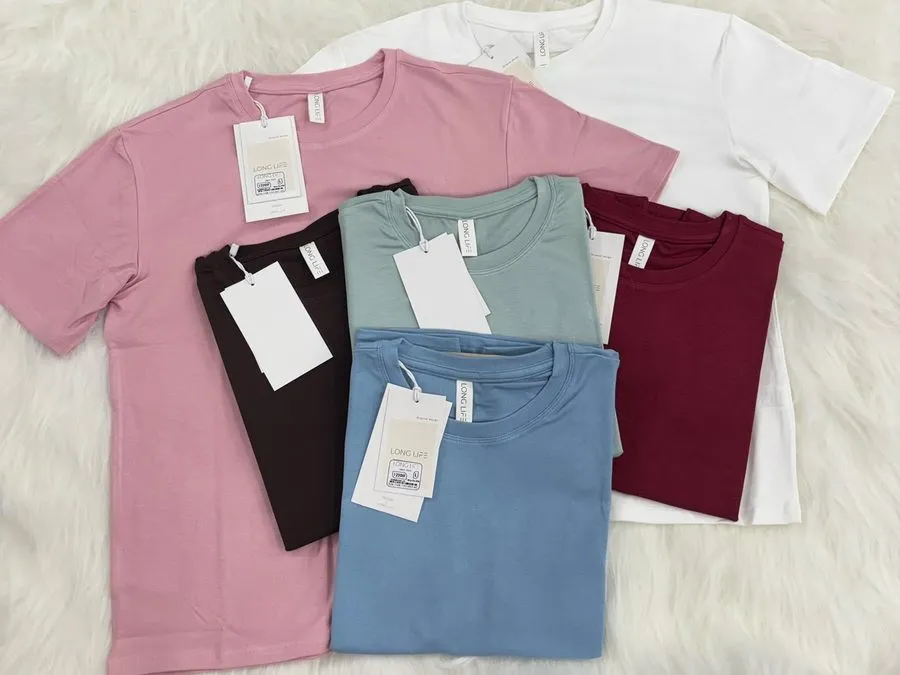
Three four-digit headings cover nearly all knit tops: 6109 for t-shirts, singlets and vests; 6110 for sweaters, pullovers, sweatshirts and hoodies; and 6105 or 6106 for men’s or women’s knit shirts, including polos. Each splits by fibre, so a cotton tee falls under 6109.10 and a man-made-fibre tee under 6109.90.
| HS heading | Covers | Common splits |
|---|---|---|
| 6109 | T-shirts, singlets, vests (knit) | 6109.10 cotton · 6109.90 other fibres, incl. man-made |
| 6110 | Sweaters, pullovers, sweatshirts, hoodies | 6110.20 cotton · 6110.30 man-made fibre |
| 6105 / 6106 | Men’s / women’s knit shirts incl. polos | By fibre, as above |
Classification runs on chief weight: a 60/40 cotton-poly tee classifies as cotton; a 50/50 sits at a boundary worth confirming with your broker. Blends are why two “identical” garments can carry different duty bills.
What duty do knit tops pay in each market, and from Nepal?
Standard (MFN) duty on knit tops is 12% into the UK and EU, 18% into Canada and about 7.4–10.9% into Japan. From Nepal, all four charge 0% under DCTS, EBA, LDCT and Japan’s LDC preference, backed by origin paperwork. The US gives no preference: 16.5% on a cotton tee and 32% on a synthetic tee.
| Market | Standard (MFN) on knit tops | From Nepal |
|---|---|---|
| UK | 12% | 0% (DCTS) |
| EU | 12% | 0% (EBA, REX statement) |
| Canada | 18% | 0% (LDCT, Form B255) |
| Japan | ~7.4–10.9% | 0% (LDC preference, Form A) |
| USA | 16.5% cotton tee · 32% synthetic tee · 19.7% cotton polo | Same, no preference (no Section 301 duty as of Sept 2026) |
Two practical notes. The US fibre split is the sleeper: moving a US-bound programme from polyester to chief-weight cotton nearly halves the duty. And every 0% in that table depends on origin paperwork — the declaration, statement or certificate your exporter must supply. How origin rules work, and the full duty-free guide.
How should importers use HS codes?
Put the intended HS code on your purchase order, check it in your own national tariff tool, keep fibre compositions honest on documents and verify rates at order time. Legally, the importer of record is responsible for the code, even when the supplier or forwarder suggests it, so sanity-check it before the first shipment.
- Put the intended HS code on your purchase order, it forces alignment before goods move.
- Check the code in your own national tariff tool (UK Trade Tariff, EU TARIC, USITC HTS), national digits vary.
- Keep fibre compositions honest on documents; customs lab-tests garments, and a mis-declared blend is the importer’s problem.
- Rates change, verify at order time. (Table above reflects verified rates as of 24 September 2026.)
Our documents arrive with codes, compositions, and origin paperwork pre-stated — see the process, the export documentation overview, or ask us the duty position for your exact product and market.
Frequently asked
What is the HS code for t-shirts?
What is the HS code for hoodies and sweatshirts?
Does the HS code change the duty I pay?
Who is responsible for the correct HS code?
About the author
Santosh Rijal runs Trishakti Apparel, the export knitwear factory his family built on three decades in Nepal’s fashion trade. He writes about sourcing, duty and production from the factory floor in Gaindakot.
LinkedIn ↗