Duty-free · Sourcing
The Nepal–India Treaty of Trade for garments: what qualifies for 0% duty
Garments made in Nepal can enter India free of basic customs duty under the Nepal–India Treaty of Trade. Here are the two origin tests, a worked T-shirt example, the treaty against SAFTA, the documents your customs agent needs, and what the 2026 review and LDC graduation change.
India and Nepal share an open border and a trade treaty, and for garments that treaty is worth real money: a cotton T-shirt that would pay 20% basic customs duty plus a surcharge from China can enter India at 0% when it is made in Nepal and meets the origin rules. This guide explains those rules in plain terms, with a worked example, so you know before you order whether a style qualifies.
What does the Nepal–India Treaty of Trade give garments?
It gives articles manufactured in Nepal duty-free, quota-free access to India when they meet the treaty’s rules of origin, which sit in the Protocol to Article V. India applies the exemption from basic customs duty through Notification 94/2010-Customs, against a Nepali certificate of origin.
Three points buyers often miss:
- It is basic customs duty that falls to 0%. IGST still applies, at 5%, or 18% above Rs 2,500 sale value per piece, and is normally creditable for GST-registered buyers.
- There is no quota on garments. Garments are not on the treaty’s special annex that limits certain Nepali goods.
- Without the treaty, the rate is high. A cotton T-shirt at the MFN rate pays 20% basic duty, at least Rs 45 a piece, plus the 10% Social Welfare Surcharge on that duty.
What are the two origin tests?
A garment qualifies when both tests are met and the final process takes place in Nepal:
- Change of heading. All third-country materials must change their 4-digit HS heading in Nepal. Making garments (Chapter 61) from knitted fabric (Chapter 60) does that by itself, so cut-and-sew knitwear passes this test.
- The 70% value limit. Materials from outside Nepal and India may be worth at most 70% of the garment’s FOB price. They are valued at CIF, as they enter Nepal.
Materials from India count with Nepali ones, so Indian fabric does not use up the 70%. Fabric from elsewhere, for example China, does, and it is the biggest input in a knit garment, so this is the test to calculate style by style.
Does a T-shirt qualify? A worked example
Take the 180 gsm combed-cotton T-shirt from our published costing sheet: about US$3.20 ex-factory, with fabric at US$1.36 and trims at US$0.22 a piece. The limit is 70% of US$3.20, which is US$2.24.
| Scenario | Materials from outside Nepal and India | Share of FOB | Qualifies? |
|---|---|---|---|
| Imported fabric and trims | US$1.58 | 49% | Yes |
| Same, plus 20% for freight to Nepal (CIF value) | US$1.90 | 59% | Yes |
| Indian fabric, imported trims | US$0.22 | 7% | Yes, with a wide margin |
| Imported materials above US$2.24 | More than US$2.24 | Over 70% | No |
Heavier fabric, more expensive imported trims or a lower FOB price all push the share up, which is why the answer is per style, not per factory. With Indian fabric the question almost disappears.
Treaty or SAFTA: which route should you use?
Both give 0% basic customs duty today. The difference is what happens after Nepal’s graduation from least-developed-country status.
| Treaty of Trade | SAFTA (LDC treatment) | |
|---|---|---|
| Basic customs duty | 0% | 0% while Nepal is an LDC |
| Origin rule | Change of 4-digit heading; non-Nepal, non-India materials ≤ 70% of FOB | Change of heading; non-SAARC materials ≤ 70% of FOB for LDCs, with regional cumulation |
| Certificate | Treaty certificate of origin issued in Nepal | SAFTA certificate, issued through FNCCI member chambers |
| After LDC graduation | Unchanged: the treaty does not depend on LDC status | These garment lines are on India’s SAFTA sensitive list for non-LDC members, so 0% ends |
Use one route per shipment. For planning beyond 2026, the treaty is the route that lasts.
Which documents does your customs agent need?
- An Importer-Exporter Code (IEC). Any import into India needs one, under section 7 of the Foreign Trade (Development and Regulation) Act.
- The certificate of origin. One per consignment, in the treaty format (Annexure D/I), issued by the agency the Government of Nepal designates. Indian customs clear goods on the basis of this certificate and may seek verification if in doubt, releasing them provisionally against a bond meanwhile.
- The bill of entry with the exemption claimed. Your customs agent claims Notification 94/2010-Customs, or the SAFTA notification, and pays IGST.
- Origin records under CAROTAR. Importers claiming a preferential rate must hold the origin information (Form I) and keep records for five years.
- The usual trade documents: commercial invoice, packing list, the Nepali export declaration and transport documents for the land-border crossing.
Is the treaty changing?
In September 2026 Nepal and India agreed to review the treaty, with a technical committee to be convened within six months. Any change to the rules of origin would come through that review, and we will update this guide when changes are announced. Separately, Nepal has asked the UN to defer its graduation to 2029, with a General Assembly decision due before 24 November 2026; that affects SAFTA, not the treaty. Our LDC graduation guide covers the other markets.
How does Trishakti Apparel handle the treaty for Indian buyers?
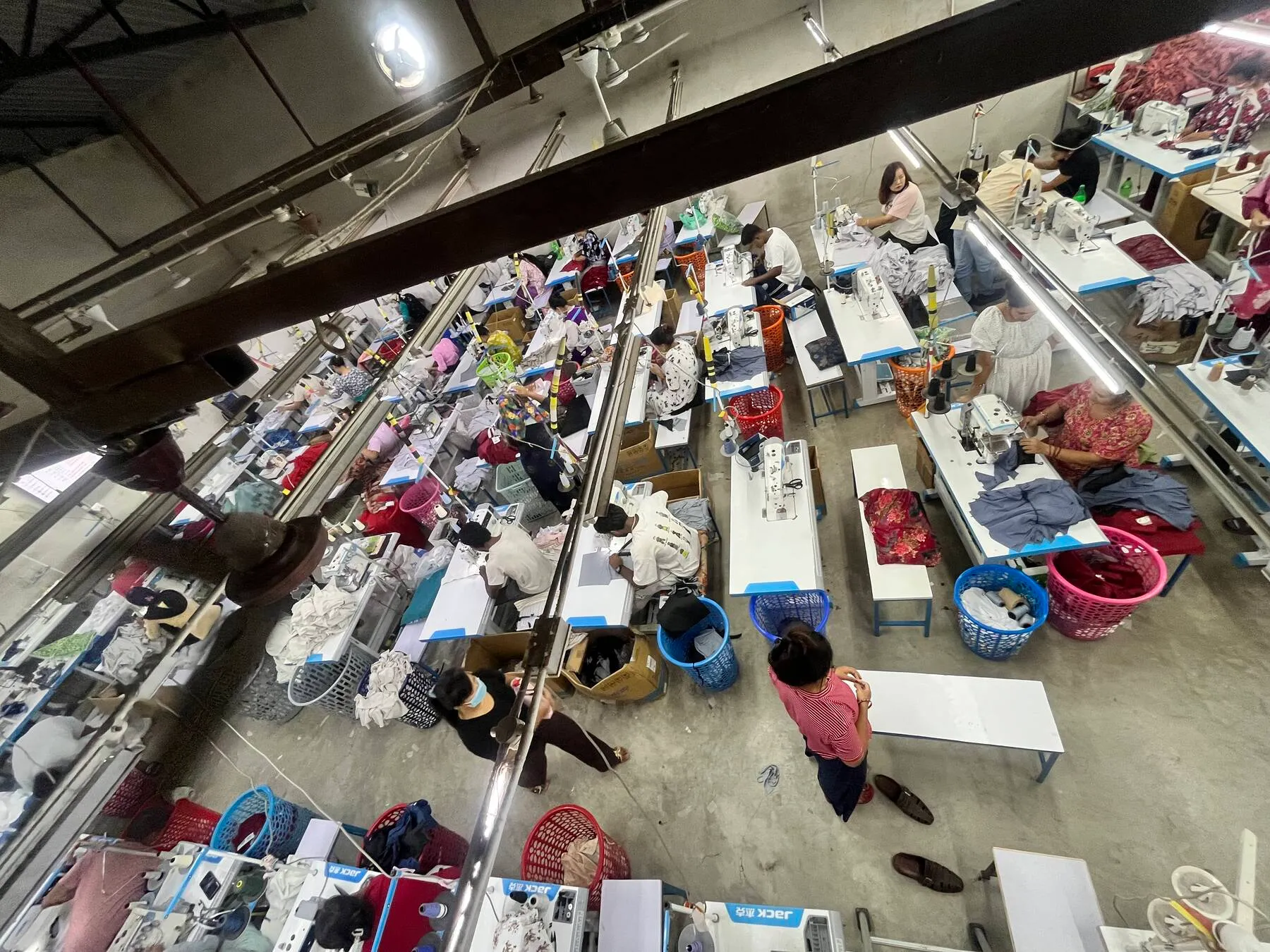
We check every style against the 70% limit before we quote it duty-free, and we can make your garments in Indian fabric, which counts as local. Each consignment travels with its certificate of origin. Our factory in Gaindakot is about 3 hours by truck from the Bhairahawa–Sunauli border, and we deliver to the border or to your city by agreement, with payment in INR, USD or by Letter of Credit, from 200 pieces per style and colour.
To see the landed cost of your own order in rupees, use our Nepal to India import duty calculator, or read how to import clothes from Nepal to India, step by step.
Frequently asked
Is there a trade treaty between Nepal and India?
What is the 70% rule in the Nepal–India treaty?
Does Indian fabric count under the treaty?
Should we use the treaty or SAFTA?
Is IGST payable on garments from Nepal?
About the author
Santosh Rijal runs Trishakti Apparel, the export knitwear factory his family built on three decades in Nepal’s fashion trade. He writes about sourcing, duty and production from the factory floor in Gaindakot.
LinkedIn ↗