Duty-free · Sourcing
Importing apparel from Nepal to Canada: the 18% duty advantage explained
Canada charges 18% MFN duty on knit apparel — but Nepal-made garments enter at 0% under LDCT, and since January 2025 the rules of origin are among the easiest anywhere: cut and sew in Nepal qualifies, with fabric from any country. The full picture for Canadian importers, decorators, and brands.
Of all the markets we serve, Canada has the single largest duty gap: knit apparel pays 18% MFN duty — but Nepal-made garments enter at 0% under Canada’s Least Developed Country Tariff. On a CA$60,000 order, that’s roughly CA$10,800 that either goes to the CBSA or stays in your margin, depending on where the garment was sewn. Here’s how it works, what changed in 2025, and what a Canadian buyer actually has to do.
How much duty does Canada charge on knit apparel from Nepal and other origins?
Canada charges 18% MFN duty on knit apparel, but garments cut and sewn in Nepal enter at 0% under the Least Developed Country Tariff (LDCT), with fabric from anywhere. Bangladesh gets the same 0%. China and India pay 18%, and Vietnam reaches 0% only when its apparel meets the CPTPP yarn-forward rule.
| Origin | Duty on knit apparel into Canada | Condition |
|---|---|---|
| Nepal | 0% (LDCT) | Cut & sew in Nepal — fabric from anywhere |
| Bangladesh | 0% (LDCT) | Same |
| China | 18% (MFN) | No preference |
| India | 18% (MFN) | No preference |
| Vietnam | 0% only under CPTPP yarn-forward | Yarn and fabric must originate in CPTPP countries; apparel that doesn’t meet this pays 18% |
The Vietnam row deserves a second look: Nepal’s preferential rules are now easier than Vietnam’s. CPTPP demands yarn-forward origin, so “Vietnam” apparel made from fabric from outside the bloc lands in Canada at the full 18%. Nepal’s rule has no such trap.
What changed in Canada’s rules of origin in January 2025?
Canada overhauled its preference programs (CBSA Customs Notice 24-41, effective 1 January 2025): for apparel, cutting and sewing in an LDC now confers origin regardless of where the yarn and fabric came from. Chinese or Indian fabric, sewn in Nepal, is a Nepali garment at 0%.
Goods may be transhipped through third countries with the right documents, and the programme is renewed to 31 December 2034. It is, honestly, one of the most generous apparel-origin rules in any major market — here’s how these origin rules work in general.
One thing we’ll flag plainly, because buyers should hear it from suppliers first: Nepal is scheduled to graduate from UN LDC status on 24 November 2026. Canada keeps full LDCT benefits for three years after the UN status change, so until about November 2029, and after that the 18% MFN rate would be expected unless Canada changes its schemes — so if Canada matters to your sourcing plan, it’s a reason to build the relationship now, not later. Our full LDC-graduation explainer.
What paperwork does a Canadian importer need for an LDCT claim?
Very little. We complete Form B255, the exporter’s Certificate of Origin for textile goods from an LDC, which is what CBSA wants to see behind an LDCT claim. You register once on CBSA’s CARM portal, pay GST/HST at import and usually use a customs broker. There is no quota, licence or special permit.
- We complete Form B255 — the exporter’s Certificate of Origin for textile goods from an LDC — which is what CBSA wants to see behind an LDCT claim. How it is filled in, box by box.
- You (the importer) register once on CBSA’s CARM portal, pay GST/HST at import (recoverable as an input tax credit for registered businesses), and usually use a customs broker for the entry.
- That’s it. No quota, no licence, no special permit for knit apparel from Nepal.
How should apparel be labelled for Canada before it ships?
Canadian textile labelling has specifics: fibre content must appear in English and French, garments must carry the Canadian dealer’s name and address or their CA Identification Number, and country of origin isn’t required unless the dealer identifies the item as imported, though we sew “Made in Nepal” in anyway.
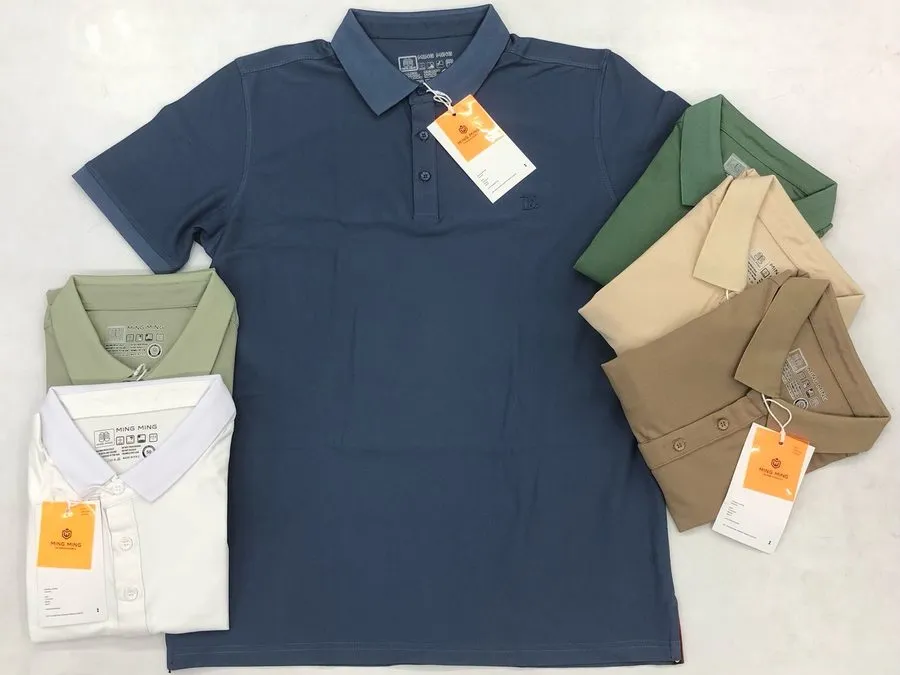
We sew all of that in at the factory — bilingual fibre labels, your CA number, “Made in Nepal” — so goods arrive retail-ready instead of becoming a relabelling chore in your warehouse.
Which Canadian buyers does importing from Nepal suit?
It suits decorators and brands with repeat styles, for whom a direct factory relationship starts earning its keep quickly. Canadian buyers already import apparel from Bangladesh under the very same 0% tariff; Nepal offers the same duty treatment with something the mega-hubs won’t give you: minimums from 200 pieces per style and colour (1,000 per order) and a factory that answers.
How long does shipping apparel from Nepal to Canada take?
Allow roughly 7–10 weeks by sea from ex-factory. Nepal is landlocked, so sea cargo routes via Indian ports, then by container via Asian or European transhipment to Vancouver, Montreal or Halifax. Samples go by express courier in usually 3–7 days, and urgent top-ups fly ex-Kathmandu in about 7–10 days.
Plan it like any South Asia programme — on a buying calendar — and the duty saving pays for a lot of patience.
An 18-point duty gap doesn’t make a bad garment good. But between two good garments, it decides which supplier’s quote wins — and it isn’t close.
See our knit range, or send us a style you currently buy with your landed cost, and we’ll quote it delivered to Canada — duty at zero, labels done, B255 included.
About the author
Santosh Rijal runs Trishakti Apparel, the export knitwear factory his family built on three decades in Nepal’s fashion trade. He writes about sourcing, duty and production from the factory floor in Gaindakot.
LinkedIn ↗