Pricing · Sourcing
What does a hoodie cost to manufacture? The full breakdown
Blank hoodies sell anywhere from $10 to $30 — why? A transparent cost breakdown: fleece consumption and fabric maths, CMT, trims, what moves the number, and how to sanity-check any quote that looks too good to be true.
Fleece is where the money is. A blank hoodie wholesales anywhere from roughly $10 for a budget blend to $30 for a premium heavyweight — a 3× spread for what looks like “the same garment.” It isn’t the same garment, and once you can read a hoodie’s cost from the inside, you can compare quotes fairly and spot the ones that can’t be real. Here’s the breakdown, with actual maths. (For the lighter version of this exercise, see what a t-shirt costs to make.)
Why is fabric the biggest cost in a hoodie?
Because a hoodie uses so much of it: an adult hoodie consumes roughly 0.6–0.8 kg of fleece — three to four times the fabric in a t-shirt. Fabric is the dominant cost line, and everything about the fabric — weight (GSM), cotton share, brushed vs loopback, organic or not — moves the price more than anything else in the garment.
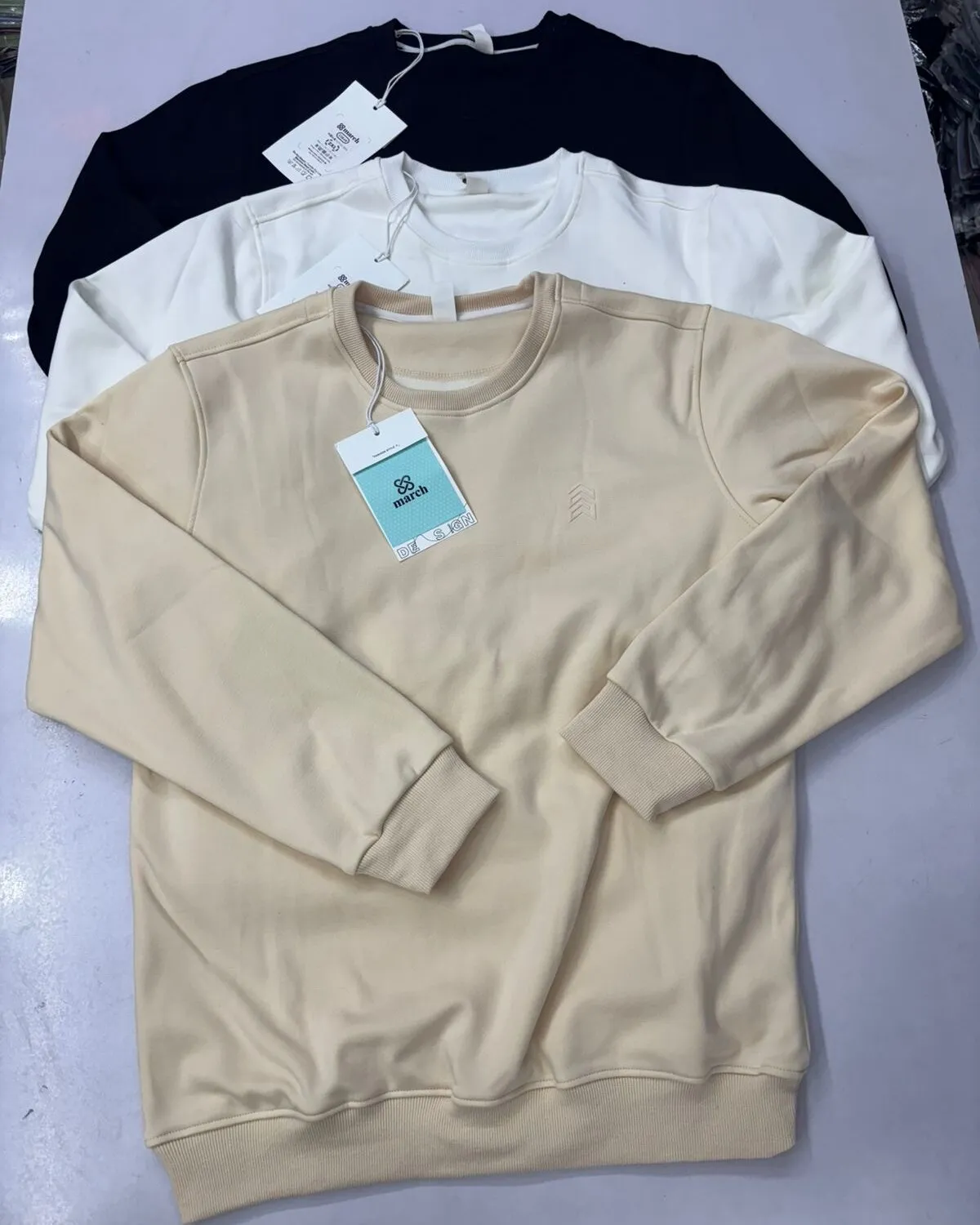
What does a hoodie cost to manufacture?
In our illustrative example, a 320 gsm, 80/20 cotton-poly brushed-fleece pullover hoodie at a mid-size run comes to about $6.50–9.00 ex-factory, before freight, duty and margin. Fleece (~0.7 kg) is the largest line at $3.20–4.20. Your real quote depends on spec and quantity, but the shape of the maths doesn’t change:
| Cost component | Illustrative amount | What drives it |
|---|---|---|
| Fleece fabric (~0.7 kg) | $3.20–4.20 | GSM, cotton %, brushed/loopback, dye |
| Ribbing, drawcord, eyelets, labels, thread | $0.70–1.00 | Metal vs plastic trims, woven labels |
| Cutting & sewing (CMT) | $2.00–3.00 | Hood, kangaroo pocket, cuffs — a hoodie is a complex sew |
| Finishing, QC, packing | $0.30–0.50 | Inspection level, folding, poly-bags |
| Sampling & setup, amortised | $0.20–0.50 | Smaller runs carry more per piece |
| Ex-factory total | ≈ $6.50–9.00 | Before freight, duty, and margin |
That range is why catalogue blanks price where they do: a budget 280 gsm blend hoodie sells around £12–17 ex VAT in the UK trade, a 350 gsm organic premium blank from about £19 — the brand’s and distributor’s margins sit on top of factory maths very like the table above.
What changes the cost of a hoodie most?
Fabric weight and fibre, construction, quantity and decoration. Going from 320 to 400+ gsm adds ~25% more fibre, more cotton costs more than more polyester, a zip typically adds $1.50–2.50 over a pullover, small runs carry more setup per piece, and printing or embroidery are priced as separate lines:
- GSM: going from 320 to 400+ gsm adds ~25% more fibre — the heavyweight trend is a real cost, which is why it commands a real premium. More on heavyweight blanks.
- Fibre: more cotton costs more than more polyester; organic cotton adds again.
- Construction: a zip hoodie adds the zip, a facing, and sewing time — typically $1.50–2.50 over a pullover.
- Quantity: setup and sampling amortise; fabric buys hit mill minimums. The step from 300 to 1,000 pieces matters more than the step from 1,000 to 3,000.
- Decoration: printing and embroidery are separate lines — often $1–4 per placement depending on method and size.
How can you tell if a hoodie quote is too cheap?
Price it bottom-up and see whether the quote survives: 0.6–0.8 kg of fleece cannot cost less than the fibre it contains. Even at a rock-bottom $3/kg fabric price, there’s about $2 of fabric in a hoodie before a single stitch, so a quote wildly below that maths is missing something, usually the fabric.
A “$2.20 finished hoodie” you see in trade data or a marketplace quote is one of three things: a making-charge-only price where the buyer supplied the fabric, a data error — or a garment you don’t want your brand on. The bottom-up formula for fleece: consumption × fabric price + trims + CMT + overhead.
What is the landed cost of a hoodie, and how does duty affect it?
The number that matters is the landed cost: ex-factory price + freight + duty. Duty is where origin bites on fleece: the EU and UK charge 12% MFN on knit hoodies and Canada 18%, while Nepal-made hoodies enter all three at 0%. On an $8 hoodie that’s roughly another dollar per garment in your margin.
We’d rather explain every line of a quote than win an order on a number that can’t survive its own arithmetic. The factories that quote below the cost of their fabric are telling you something — listen.
We make hoodies and fleece from 280 to 400+ gsm, brushed or loopback, from 200 pieces per style and colour (1,000 pieces per order). Send us your target spec and quantity and we’ll return a line-by-line quote — fabric, trims, CMT, and landed cost, itemised.
About the author
Santosh Rijal runs Trishakti Apparel, the export knitwear factory his family built on three decades in Nepal’s fashion trade. He writes about sourcing, duty and production from the factory floor in Gaindakot.
LinkedIn ↗