Sourcing · Duty-free
Sourcing knitwear from Nepal: a guide for Dutch buyers — direct, with numbers
Goods cleared in Rotterdam move on across the EU without further duty — win one Dutch trader and you reach the EU. The facts a Dutch importer actually wants: 0% EBA duty, Article 23 cash flow, UPV Textiel obligations, and a supplier who answers plainly.
Dutch buyers are known for directness, so this guide is written the way a Dutch buyer reads: numbers first, adjectives never. Here they are. Nepal-made knits enter the EU at 0% duty against 12% MFN. Goods cleared in Rotterdam move on across the EU without further duty. And the Netherlands already imported about Rs 360 million of Nepali readymade garments in FY 2082/83, a small baseline at the same 0% duty Bangladesh enjoys. Nepal’s LDC graduation is scheduled for 24 November 2026 (deferral requested), and EBA continues for three years after it takes effect, so at least until the end of 2029. That’s the whole pitch. The rest of this post is the detail you’ll want checked before replying.
Why can one Dutch trader open up many EU markets?
Because goods cleared in Rotterdam move on across the EU without further duty, a Dutch wholesaler or promo importer isn’t just a national market — it’s a distribution point for the continent. The Dutch promo-products trade describes itself as “traders by tradition,” with a promotional-products industry built around Rotterdam, redistributing to Germany, Belgium, France and beyond.
For a factory, this changes the arithmetic of one relationship. The same logic applies to workwear, where Dutch brands run dealer networks across Europe. Our blanks-direct guide covers the trade economics.
What duty and import VAT do Dutch buyers pay on Nepal-made knitwear?
Duty: 0% under Everything But Arms, claimed with a REX statement on our invoice, single-transformation rules — imported fabric is fine. VAT: the Netherlands’ Article 23 licence lets an importer shift the 21% import VAT to the periodic return — declared and deducted in the same filing, net-zero cash impact.
Regular importers established in the Netherlands can apply, and the tax office decides within eight weeks; foreign companies can use the scheme through a Dutch fiscal representative. Net effect: a Nepali garment lands in the Netherlands with no duty and no VAT cash-out at the border.
What does UPV Textiel, the Dutch textile EPR scheme, require?
The Netherlands runs textile EPR: as the importer or first seller, your company registers and reports to Rijkswaterstaat each year, alone or through a producer organisation. The targets: 50% of the textile placed on the market in 2024, by weight, must be prepared for reuse or recycled in 2025, rising to 75% by 2030.
The fees are small next to the admin; the targets are the interesting part. They quietly change what a good supplier looks like: durable construction, clean fibre compositions, and documented composition data help your garments count toward reuse targets — and we supply exactly that documentation with every style. Workwear is in scope too, which your workwear clients may not yet have noticed.
How does Trishakti Apparel work with Dutch buyers?
Plainly. We reply within 24 hours, in English, with numbers rather than reassurances: GSM, tolerances, dates, prices. Tell us what’s wrong with the sample in one blunt email and we’ll fix it in one revision. If we can’t do something, the answer is “no, but here’s what we can do.”
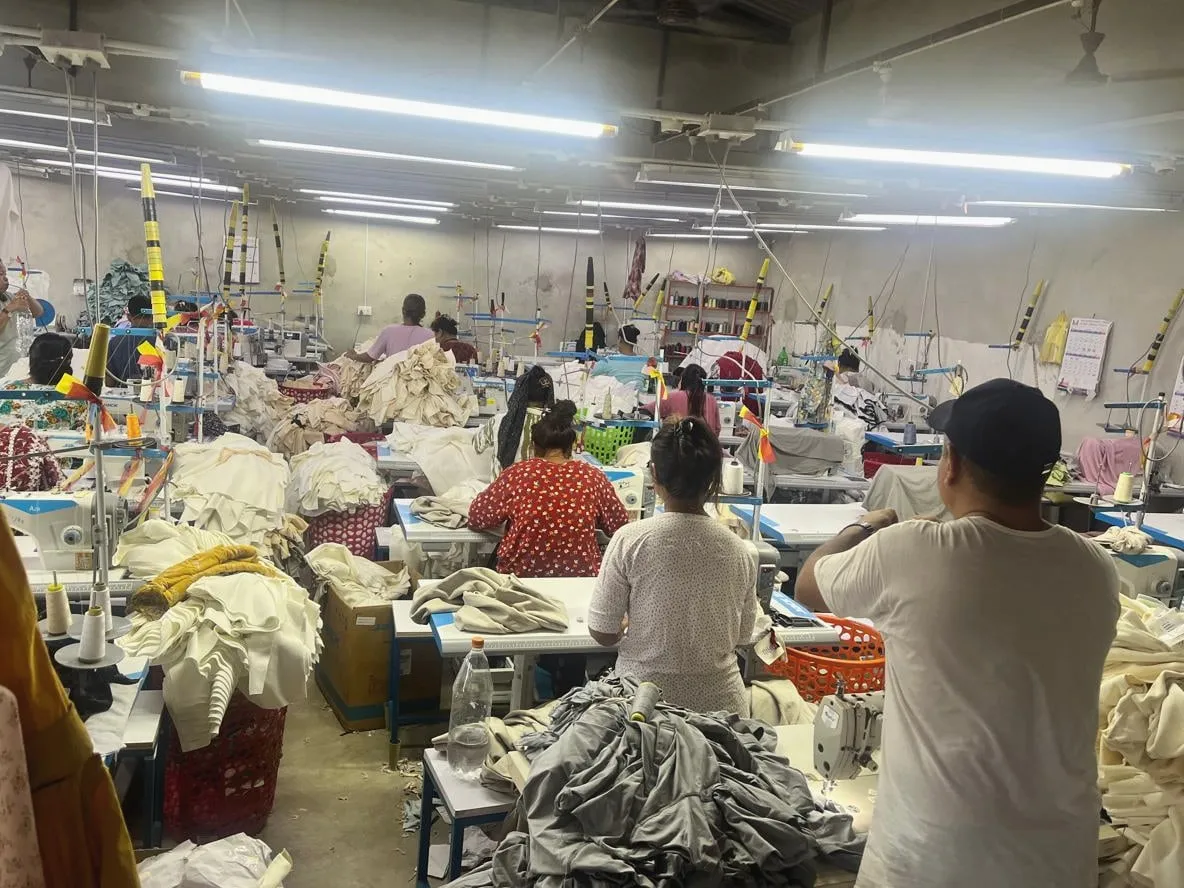
Cultural fit matters more than buyers admit. Dutch directness — criticism without cushioning, silence as approval — is famously efficient, and it happens to be exactly how a factory prefers to work. That “no, but here’s what we can do” is, we understand, the answer Dutch buyers actually trust.
Does the Dutch government support sourcing from countries like Nepal?
Yes. The EU’s best free apparel-sourcing intelligence — the CBI market guides — is published by the Dutch government’s own import-promotion agency, established specifically to bring developing-country suppliers into the European market. Sourcing from a country like Nepal isn’t a workaround in the Dutch system; it’s the policy.
Add the Netherlands’ circular-textile programme and the pattern is consistent: Dutch trade culture rewards exactly the combination we offer — small flexible runs, documented compliance, durable garments, straight answers.
A Dutch buyer once taught us the national compliment: “klopt” — it checks out. This page was written to earn that word. Check it.
Our range, the duty maths, or straight to it: send styles, quantities, and target prices and we’ll reply with a landed quote within two working days.
About the author
Santosh Rijal runs Trishakti Apparel, the export knitwear factory his family built on three decades in Nepal’s fashion trade. He writes about sourcing, duty and production from the factory floor in Gaindakot.
LinkedIn ↗