Low MOQ · How to
What is MOQ? Minimum order quantity explained with real clothing examples
MOQ means minimum order quantity: the smallest order a supplier will accept. Here is what it means in clothing manufacturing, why it exists, how per-style and per-order minimums work together, and how to plan a first order around them.
MOQ stands for minimum order quantity: the smallest order a supplier will accept. A factory with an MOQ of 200 pieces will not normally make 50. The term is used across manufacturing and wholesale. This guide explains it from the side of a clothing factory, using our own minimums as worked examples, because the details are where first orders go wrong.
What does MOQ mean?
MOQ means minimum order quantity, the smallest number of units a supplier will produce or sell in a single order. It is set by the supplier and is usually stated per product. In clothing, it is often set per style and colour, sometimes with a second minimum for the whole order.
Why do suppliers set a minimum order quantity?
Suppliers set minimums because every order carries setup work that costs the same whether the run is small or large. In garment making, that means pattern work, a cutting marker, buying fabric and trims, setting up the sewing line and checking the first pieces. A larger run spreads those costs across more units.
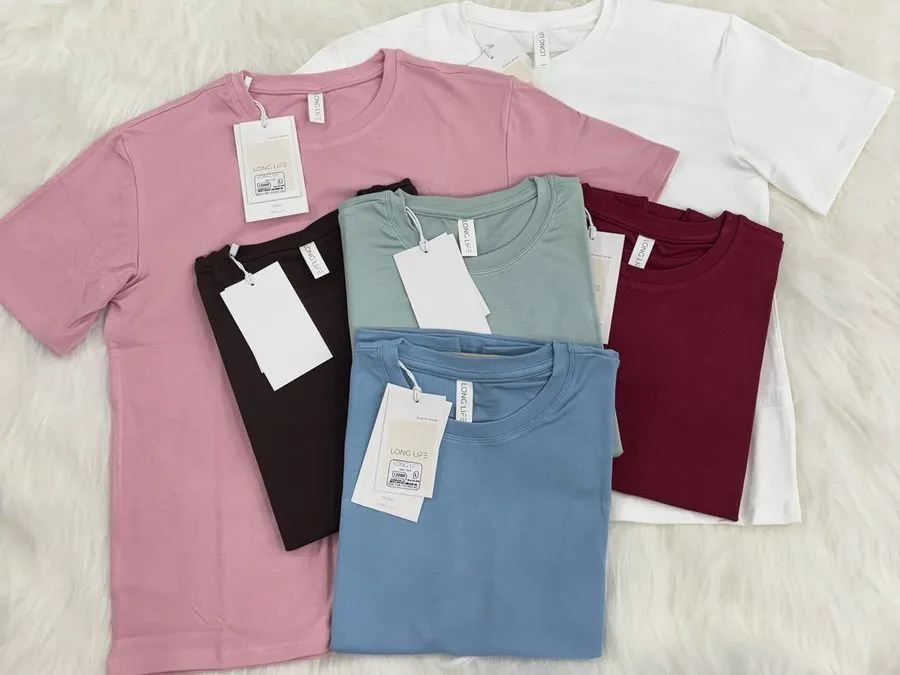
Other minimums sit behind the factory’s own. A mill may have a minimum for dyeing one colour of fabric, and a label supplier may have a minimum print run. So when a factory quotes an MOQ, part of it can come from its suppliers. That is why a colour the factory already buys can be easier to place than a custom shade.
How do per-style, per-colour and per-order minimums work together?
A per-colour minimum limits how thinly you can split an order, and a per-order minimum sets the total. You need to meet both. Our export minimum is 200 pieces per style and colour, with at least 1,000 pieces in the order, and the combinations below show how that adds up.
| Your order | Pieces per colour | Total | Meets our minimums? |
|---|---|---|---|
| 1 style in 5 colours | 200 | 1,000 | Yes |
| 2 styles in 3 colours each | 200 | 1,200 | Yes |
| 1 style in 2 colours | 500 | 1,000 | Yes |
| 2 styles in 2 colours each | 200 | 800 | No: under 1,000 in total |
| 1 style in 10 colours | 100 | 1,000 | No: under 200 per colour |
Always ask a supplier which of these it means. “MOQ 200” can mean 200 per style, 200 per colour, or 200 across the order, and those are very different commitments. To test your own mix against our minimums, try the MOQ planner.
Do sizes count towards the MOQ?
In most clothing factories, sizes are split inside the per-colour minimum, not on top of it. So 200 pieces of one colour can be divided across S, M, L and XL. Our first-run guide covers how to choose that split.
What is the difference between MOQ and a sample?
A sample is one or a few pieces made to check fit, fabric and construction before production. MOQ applies to the bulk order that follows. Samples usually don’t count towards the minimum, and a sample rarely commits you to bulk, but ask what happens to any sample fee if you go ahead. What to expect from sample to bulk walks through it.
How do you decide whether an MOQ is right for you?
Work out the total cash you would commit and how long the stock would take to sell, then compare suppliers on that, not on the MOQ alone.
- Count the full commitment. Pieces × unit price, plus sampling, labels, freight and any duty. What goes into a T-shirt’s cost lists each part.
- Estimate your sell-through. How many of each colour can you realistically sell in a season? Slow colours tie up cash long after the fast ones sell out.
- Compare unit prices at the same quantity. A lower MOQ often comes with a higher unit price, because the setup work is spread across fewer pieces.
- Check the reorder. Ask whether the same minimum applies to repeat orders of a colour you have already made.
Can you negotiate a minimum order quantity?
Sometimes, but first find out what is causing the minimum. If the limit comes from a fabric mill’s dye lot, choosing a colour the factory already buys may help. If it comes from factory setup, fewer styles and colours usually help more than asking for a lower number. Be wary of a supplier who agrees to any quantity without asking what you are making: check who actually makes the goods.
How do you plan a first order around an MOQ?
Start with one or two styles in the colours you are most confident about, and meet the minimum with those. Adding colours is the quickest way to spread stock thinly. Once you know what sells, add colours or styles on the reorder. If 1,000 pieces is more than you can sell in a season, blanks or print-on-demand will keep your cash freer for now, and cut and sew can come later.
Frequently asked
What does MOQ stand for?
Is MOQ per style, per colour or per order?
Can sizes be split within an MOQ?
About the author
Santosh Rijal runs Trishakti Apparel, the export knitwear factory his family built on three decades in Nepal’s fashion trade. He writes about sourcing, duty and production from the factory floor in Gaindakot.
LinkedIn ↗